AI holds the potential for a paradigm shift. It can transform how art & literature are created. This shift will also change how they are consumed. Writers, journalists, and other authors are already frantically harnessing AI in their work. Here we will explore how AI is set to significantly impact the creation of art and literature in the future.
AI has indeed already significantly impacted various industries, including the arts. To date, AI technology has been used for various forms of artistic expression. These include music composition, visual arts, and filmmaking.
One of the most notable impacts of AI on human artistic expression is in the field of music composition. AI algorithms can analyze and create new music that sounds similar to existing musical compositions. Musicians can use AI technology to generate completely new and unique pieces of music. This allows them to incorporate these pieces into their live performances. This incorporation creates a potentially unique and interactive experience for audiences.
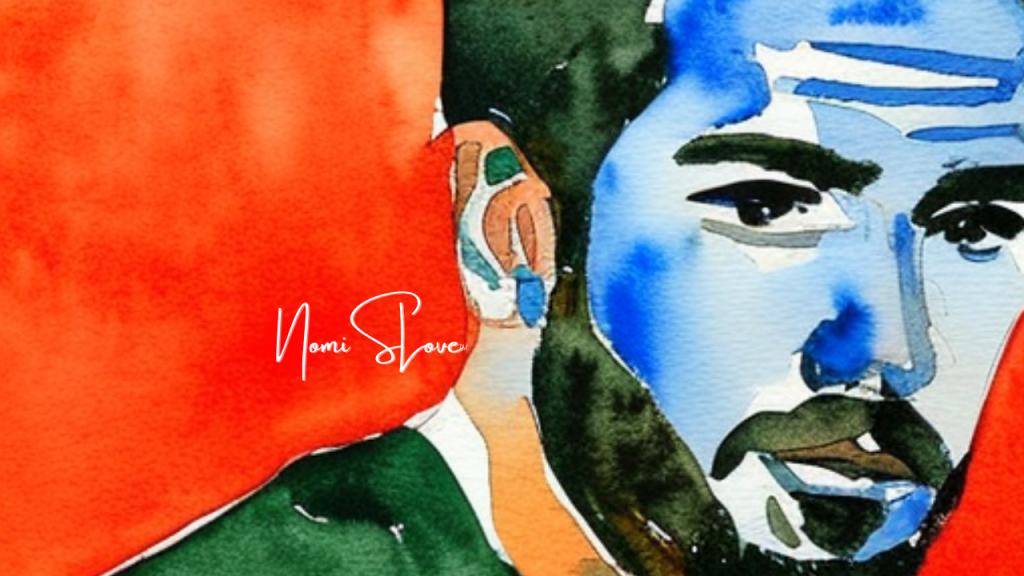
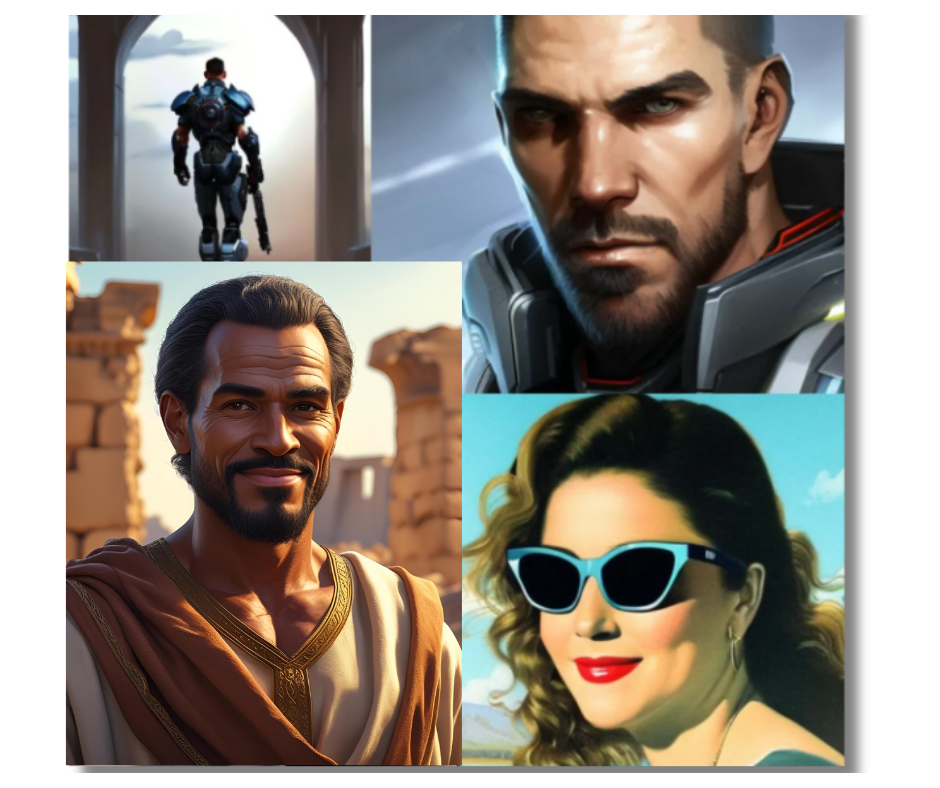
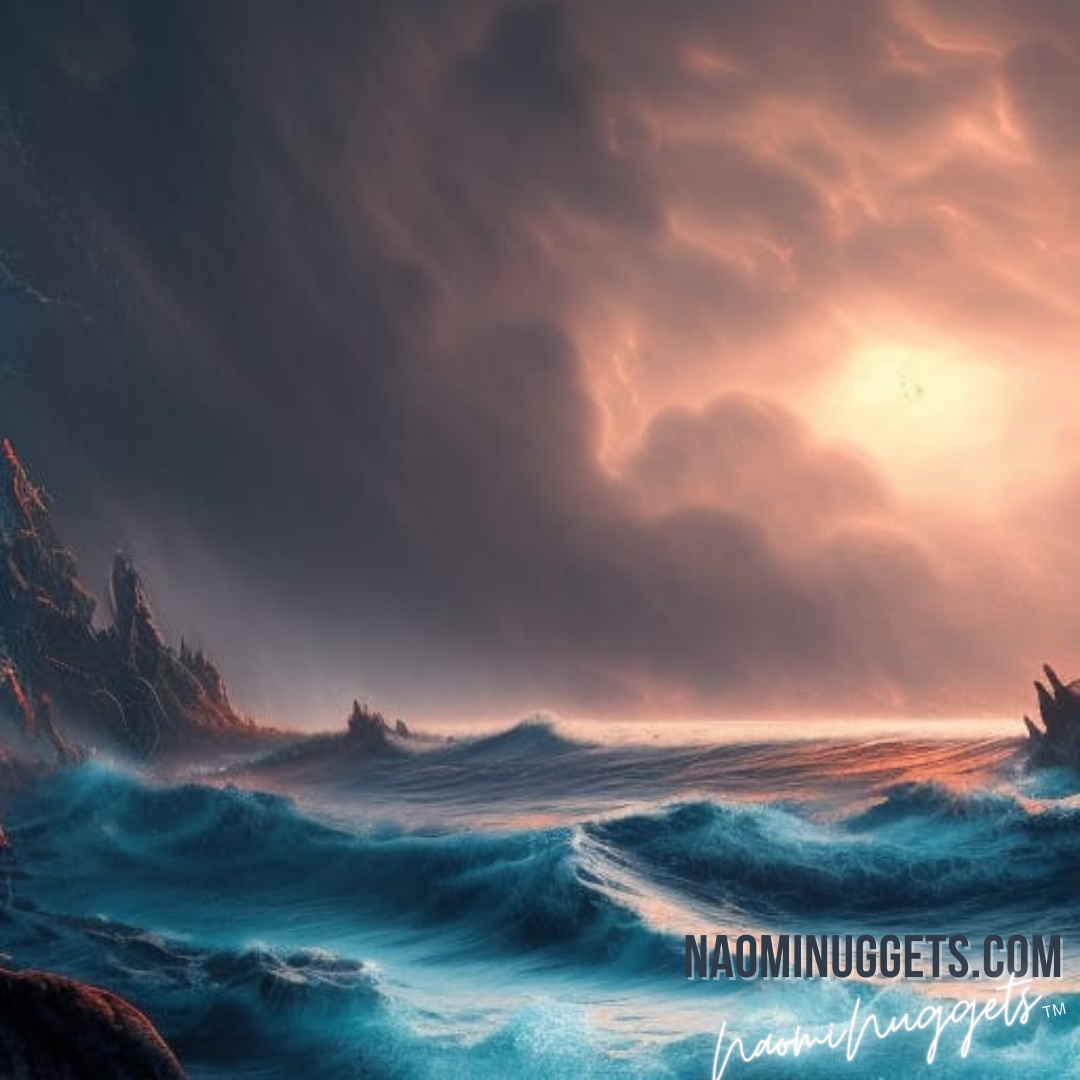
AI is currently being used in the field of visual art in profound, visually stunning ways. AI-generated images and videos are becoming increasingly common. Many artists are trying to adapt quickly to this fairly new emerging technology. Some artists have begun using AI as a tool for creating new pieces of art. An artist can use an AI algorithm to generate a starting point for a painting. They can then finish the artistic work by hand. This approach can lead to unique, unexpected results.
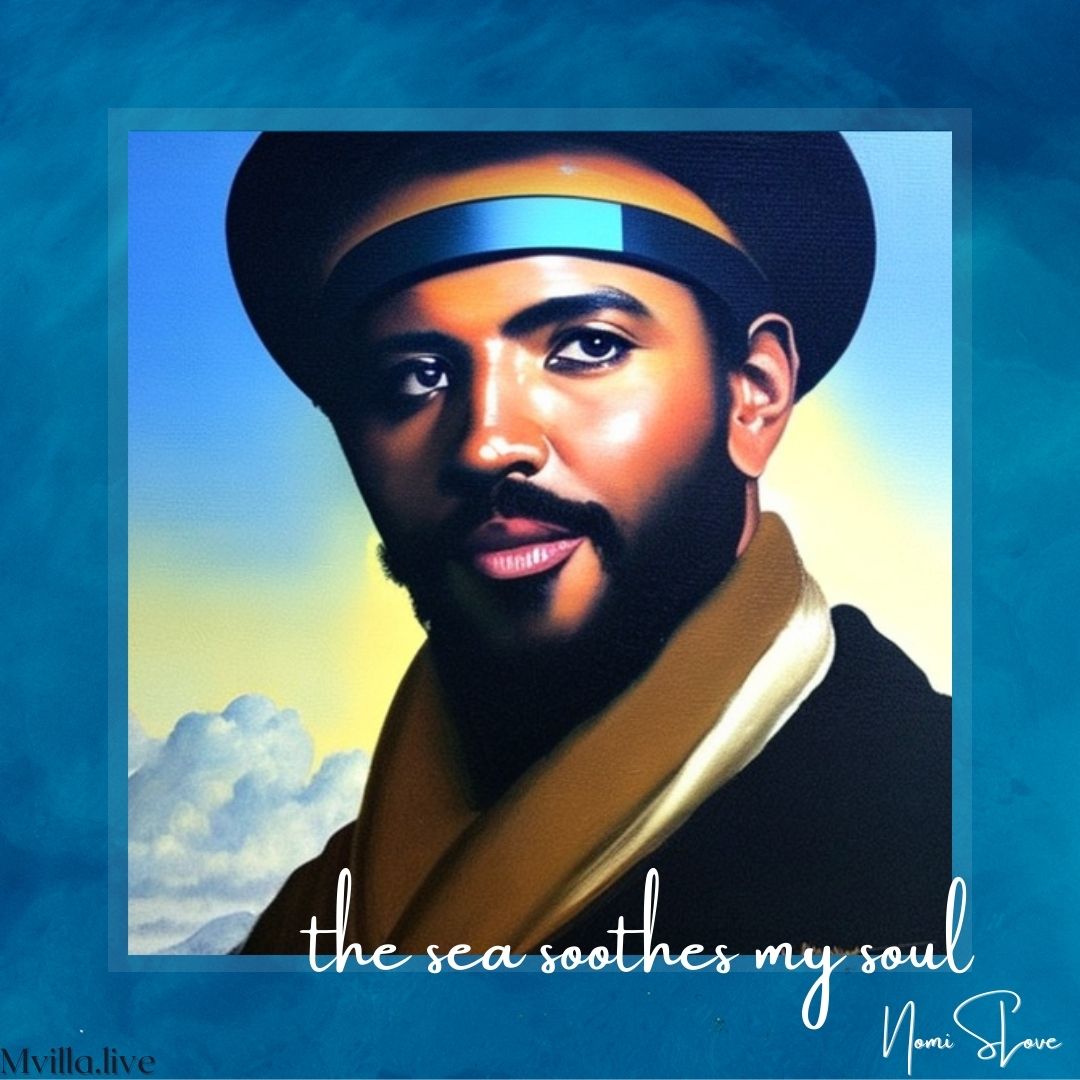
On the other hand, some Artists may view AI-generated Art as a fantastic innovative advancement. Others may see it as an existential threat to humanity’s authentic artistic expression. For example, the commissioning of artists such as photographers, cartoonists, and painters. The process of commissioning artists to generate unique art pieces is changing. It is shifting from the direct mutual exchange between individuals to platforms. These platforms can readily and directly generate a desired piece of artwork for clients within seconds. Hence, the financial impact for already struggling artists is significant. Some artists are terrified about what AI-generated visual art means to them. They worry about their professional lives as independent commissioned artists.
It seems at this time it is either artists who adapt to working with AI or risk falling behind. When it comes to participation in the arts, understanding AI is crucial. It has a transformative impact on human artistic expression within the arts.
AI is now widely used within the film industry, with AI-generated special effects becoming more common in movies. AI can analyze data from past box office performances. It can predict the success of future films. This allows studios to make more informed financial decisions about which films to produce.
The film industry is not the only area affected. The ability of the masses to share high-quality video content has changed dramatically. This change is due to the widespread availability of AI-generated video content on video platforms and mobile apps.
AI has been used to develop creative methods for narrative art. It is also utilized in storytelling, including literature. Artificial intelligence (AI)-generated text can be used to create original stories or assist writers.
The concern with AI is that it is currently only being used as a tool. It is not a replacement for human contribution. For some, the question isn’t if AI and machine learning will take over certain professions. They are considering whether these fields will include the arts and literature. Instead, they wonder when AI will begin to do so. This is expected to happen after AI learns enough from humans through our willing contributions. This is because businesses and corporations may use AI technology to reduce costs and speed up productivity, among other things. This might also involve businesses reducing costs. They can generate fast and efficient marketing campaign efforts using AI. They might also use realistic images of fictitious people that look real but are not.
Below is a video entitled, “Unsettling Party Images: People Talking.” It may surprise viewers that these images or photos have slightly visible abnormalities. However, this is only the beginning of what AI can do. Some of the images or photos are so compellingly realistic. It’s unnoticeable at first glance that the photos are AI creations. See more about…
AI has had a significant impact on human artistic expression. It is important to note that it is still an emerging tool. For now, human artists and graphic designers are using it. The artistic vision and creativity still come from the human artist. And it is important to note that AI would not be capable of generating content if it weren’t for the accumulation of human contributions. (however those were acquired) across the mass AI databases in existence today.
AI is currently a tool that opens up new possibilities. It can be used to boost human artistic expression. For now.
In conclusion, AI has greatly impacted and transformed the arts indefinitely. It has been used in various forms of artistic expression, such as music composition, visual art, and filmmaking. The technology can generate new and unique pieces of art. It can also analyze large data sets. This helps humans make more informed, targeted marketing decisions in the art industry.
Artistic vision and creativity still come from humans. They should originate from human artists. Perhaps with proper regulation of AI, humanity will have a better opportunity. This regulation can help secure humanity from a total takeover of AI technology. This will safeguard genuine human expression. It is hoped AI will remain a useful tool or instrument. It can be used to assist. It should not replace authentic human artistic expression.
What do you think? What do you think about AI’s viral distribution in the sphere of arts and literature?
 NaomiNuggets™